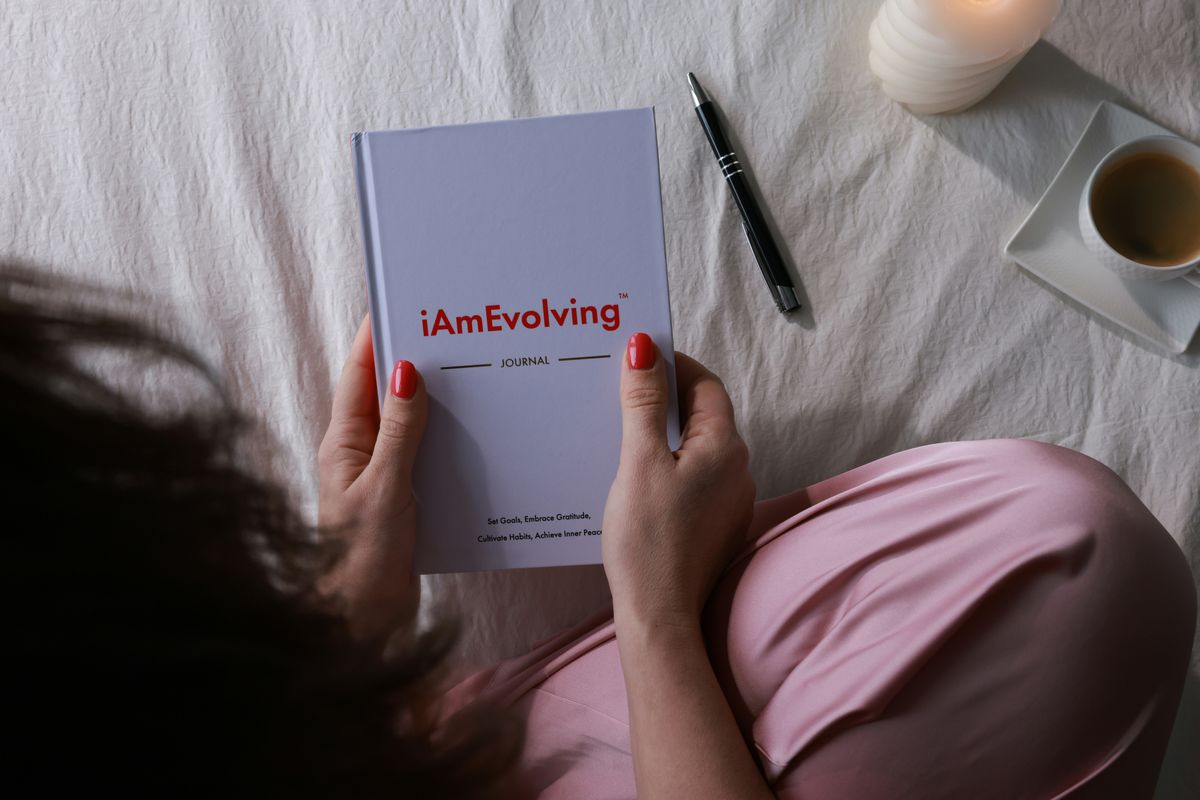
A gentle reset after a stressful morning
Separate an immediate pause from the practical problem that still needs attention.

Start with the everyday problem
After a stressful morning, it is tempting to demand instant productivity from yourself. First identify whether you need food, water, a moment of quiet, support, or a change to the workload. A brief pause can create room for a next decision, but it cannot remove the source of stress by itself. Follow the pause with one practical adjustment you can actually make.
A practical way to begin
Sit or stand comfortably and breathe gently without forcing a deep breath. Look at what remains essential today and choose one task to postpone, simplify, or share. Contact someone if a specific kind of help would make the day possible. Write the next action in ordinary language. Keep the reset short enough that it does not become another obligation to perform correctly.
Put it into an ordinary day
Consider arriving at your desk after a complicated school run. A concrete starting point is to check whether you need water and a quieter moment, because that identifies the next action rather than leaving the situation as an undefined concern. Once the first step is available, make room to identify the one deadline that still matters today; check that the information, materials, or cooperation required for that step are actually present. Bring this particular attempt to a clear ending by choosing to ask a colleague for a realistic adjustment if needed, so you can distinguish an action completed from an intention that still needs attention.
Separate emotional pressure from logistical pressure. If you lack information about a deadline, finding the information may help more than another calming exercise. If the day contains too much work, a conversation about priorities may be necessary. Ask for specific support, such as covering a call or moving a nonessential meeting, rather than hoping someone notices. Keep food and water accessible if those needs have been neglected. A short reset is most useful when it reveals the kind of help required, then leads to a manageable action.
The barrier to anticipate here is trying to make up lost time by doing everything at once, which calls for a specific adjustment rather than a general promise to try harder. A practical response is to reduce the plan to a clear sequence of essential tasks; make sure that adjustment fits the people, timing, and resources involved in this situation. Review the change through whether the next hour becomes manageable, keeping the observation close to the original problem so it helps you decide whether this method earns a place in your day.
Notice what makes a difference
At the next review, ask: what would help more right now: a pause, information, or practical assistance? An answer grounded in arriving at your desk after a complicated school run will be more useful than judging your whole routine. If trying to make up lost time by doing everything at once remains the difficulty, revise that part before increasing the complexity of the plan. Keep the next attempt focused on the same observable outcome: whether the next hour becomes manageable.
Keep the limits in view
Severe or persistent distress deserves professional support. If focusing on breathing feels uncomfortable, stop and use another grounding activity. A difficult morning is not evidence that you have failed at managing your mind.
NHS recommends gentle, unforced breathing for stress; NIMH recommends practical self-care and seeking help when needed.
Sources & further reading
Source links support the factual context. Practical examples and suggested workflows are original editorial guidance. Sources checked October 5, 2026.
Spotted something we should correct? Send a correction. Read our editorial policy.